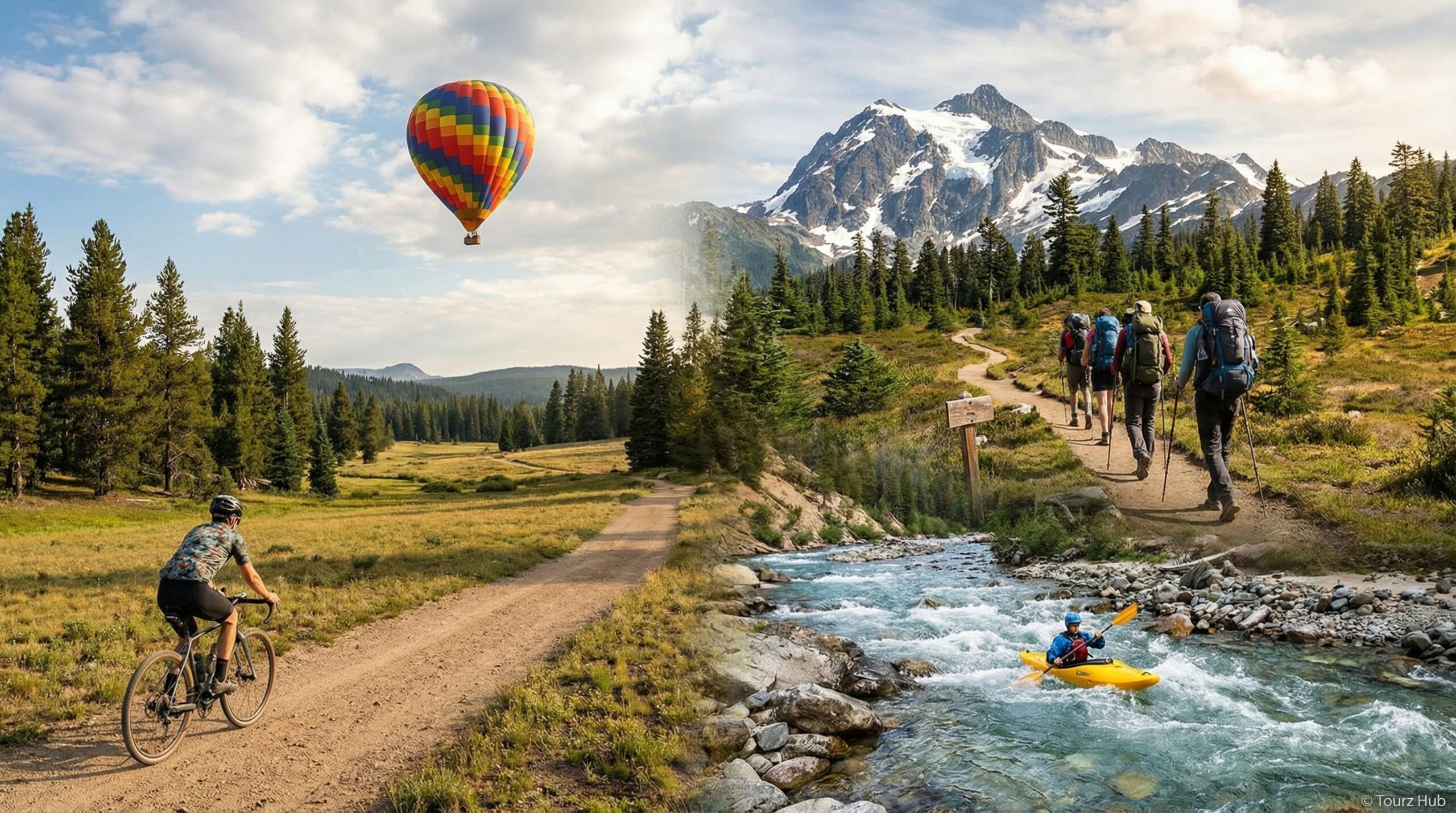
Adventure travel has become a major part of global tourism. Travelers now look for experiences that involve movement, nature, skill, and discovery rather than passive sightseeing. Adventure tours and outdoor activities offer structured ways to explore landscapes, cultures, and routes while following planned systems for safety, logistics, and local support.
This article explains adventure tours and outdoor activities across regions, activity types, planning methods, safety practices, and booking approaches. It is written for travelers, planners, and readers searching for clear information about adventure travel worldwide.
What Adventure Tours and Outdoor Activities Include
Adventure tours involve organized travel plans that focus on physical movement, environmental interaction, and guided routes. Outdoor activities may be part of a tour or arranged independently. These activities often involve land, water, or air environments.
Common formats include:
Multi-day guided trips
Single-day activity sessions
Group itineraries
Private bookings
Adventure tours are offered by operators, travel platforms, and local guides. Many tours include transport, equipment, permits, and support staff.
Land-Based Adventure Tours
Hiking and Trekking Routes
Hiking and trekking tours operate across mountains, valleys, forests, and deserts. These tours range from day hikes to long-distance routes lasting several weeks.
Common trekking regions include:
South America mountain routes
South Asia highland trails
Europe alpine paths
Africa rift and plateau routes
Treks may involve altitude management, campsite planning, and route mapping. Guides manage pacing, rest points, and emergency protocols.
Cycling and Biking Tours
Cycling tours involve road biking, trail riding, or mountain routes. These tours may cross regions, cities, or remote paths.
Cycling tour formats include:
Self-guided routes with maps
Supported group rides
Cross-country cycling plans
Equipment is usually provided or transported by the operator. Routes are selected based on terrain, distance, and road access.
Desert and Terrain Expeditions
Terrain tours operate in dry regions, plateaus, and sand routes. These expeditions may use vehicles, walking routes, or animal-assisted travel.
Activities may include:
Dune walking
Navigation training
Survival skills instruction
Permits and local knowledge play a major role in these tours.
Water-Based Adventure Activities
Rafting and River Travel
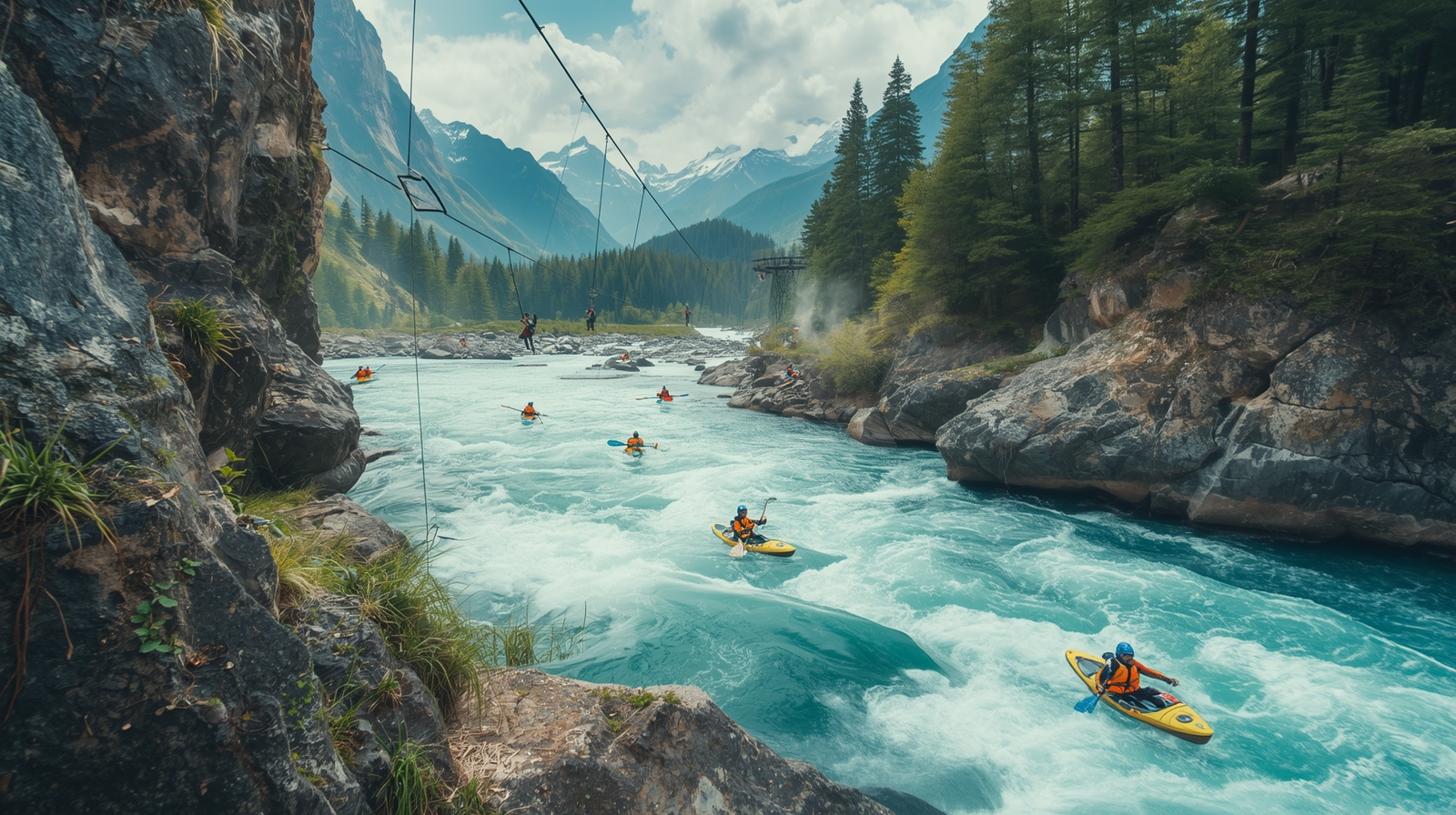
Rafting tours operate on rivers with varying flow levels. Guides manage navigation, safety gear, and group coordination.
River adventure regions include:
North America river systems
South Asia mountain rivers
Europe inland waterways
South America forest rivers
Rafting tours often include training sessions before departure.
Kayaking and Canoeing
Kayaking and canoeing activities operate on lakes, rivers, and coastal areas. These tours may be single-day or multi-day journeys.
Key elements include:
Route planning
Equipment checks
Weather monitoring
Some tours involve overnight camping along water routes.
Diving and Snorkeling Programs
Underwater activities focus on marine environments. Tours include equipment use, safety training, and guided exploration.
Common destinations include:
Coral reef zones
Island coastlines
Marine reserves
Certification may be required for some diving programs.
Air and Altitude-Based Adventure Activities
Paragliding and Air Routes
Paragliding involves controlled air movement from elevated points. Operators manage launch sites, equipment setup, and landing zones.
Activities depend on:
Wind patterns
Terrain shape
Flight regulations
Most sessions include instruction and tandem options.
Hot Air Balloon Travel
Balloon tours operate over landscapes and open zones. These activities focus on controlled ascent, drift, and landing.
Flights are planned based on weather data and ground crew coordination.
Sky Routes and Training Programs
Some regions offer air-based training programs that focus on navigation, altitude awareness, and equipment handling.
Wildlife and Nature-Focused Tours
Safari and Observation Routes
Wildlife tours operate in protected areas and reserves. These tours focus on animal movement patterns and habitat awareness.
Guides manage:
Vehicle routes
Observation timing
Conservation rules
These tours often support local conservation programs.
Forest and Jungle Exploration
Forest tours involve walking routes, canopy paths, and guided observation. Activities may include plant identification and ecological instruction.
Local guides provide navigation and safety management.
Regional Adventure Tour Highlights
Asia
Asia offers mountain treks, river routes, forest trails, and coastal activities. Regions vary in climate, elevation, and access.
Activities include:
Highland trekking
Island water sports
Cultural route walks
Local permits and seasonal planning are important.
Europe
Europe supports structured adventure routes with established infrastructure. Activities include cycling networks, alpine treks, and river tours.
Many routes connect multiple countries and cultural zones.
Africa
Africa offers terrain tours, wildlife routes, and desert travel. Activities often involve conservation-based tourism models.
Local guides and regional planning play a central role.
North America
North America supports national parks, river systems, and mountain zones. Activities range from hiking to snow-based travel.
Permits and park regulations guide tour operations.
South America
South America includes mountain routes, forest travel, and coastal activities. Tours often combine cultural and physical routes.
Altitude management is a key planning factor.
How Adventure Tours Are Planned
Adventure tour planning involves logistics, timing, and safety preparation. Operators assess routes, equipment, and participant needs.
Planning steps include:
Route selection
Risk assessment
Permit processing
Equipment coordination
Guide assignment
Travelers are advised to review itineraries and requirements before booking.
Safety and Risk Management
Adventure tours follow structured safety systems. Operators provide training, equipment, and emergency plans.
Common safety practices include:
Briefing sessions
Gear inspection
Communication systems
Medical access plans
Travel insurance is often required for participation.
Equipment and Preparation
Equipment needs vary by activity type. Some tours provide full gear, while others require personal items.
Preparation steps may include:
Physical training
Skill instruction
Document checks
Climate planning
Clear preparation improves experience and safety.
Booking Adventure Tours Online
Many travelers now book adventure tours through digital platforms. These platforms list itineraries, schedules, and pricing.
When booking, travelers should review:
Operator credentials
Cancellation policies
Group size limits
Included services
Direct communication with operators helps clarify expectations.
Responsible Adventure Travel
Responsible travel focuses on environmental care and community involvement. Adventure tours often operate in sensitive areas.
Responsible practices include:
Waste control
Local employment
Cultural respect
Resource protection
Travelers are encouraged to follow local guidelines.
Adventure Tours and Travel Trends
Adventure travel continues to grow as travelers seek active experiences. Digital booking, local guide networks, and regional partnerships shape the industry.
Future developments may include:
Route mapping technology
Training standardization
Conservation-linked tourism
Adventure tours remain a major part of global travel planning.
Adventure tours and outdoor activities offer structured ways to explore environments through movement and guided systems. From land routes to water travel and altitude experiences, these tours operate across regions with defined planning, safety, and logistical frameworks.
Understanding tour types, preparation methods, and booking processes helps travelers choose suitable options. As adventure travel expands worldwide, informed planning supports meaningful and sustainable travel experiences.