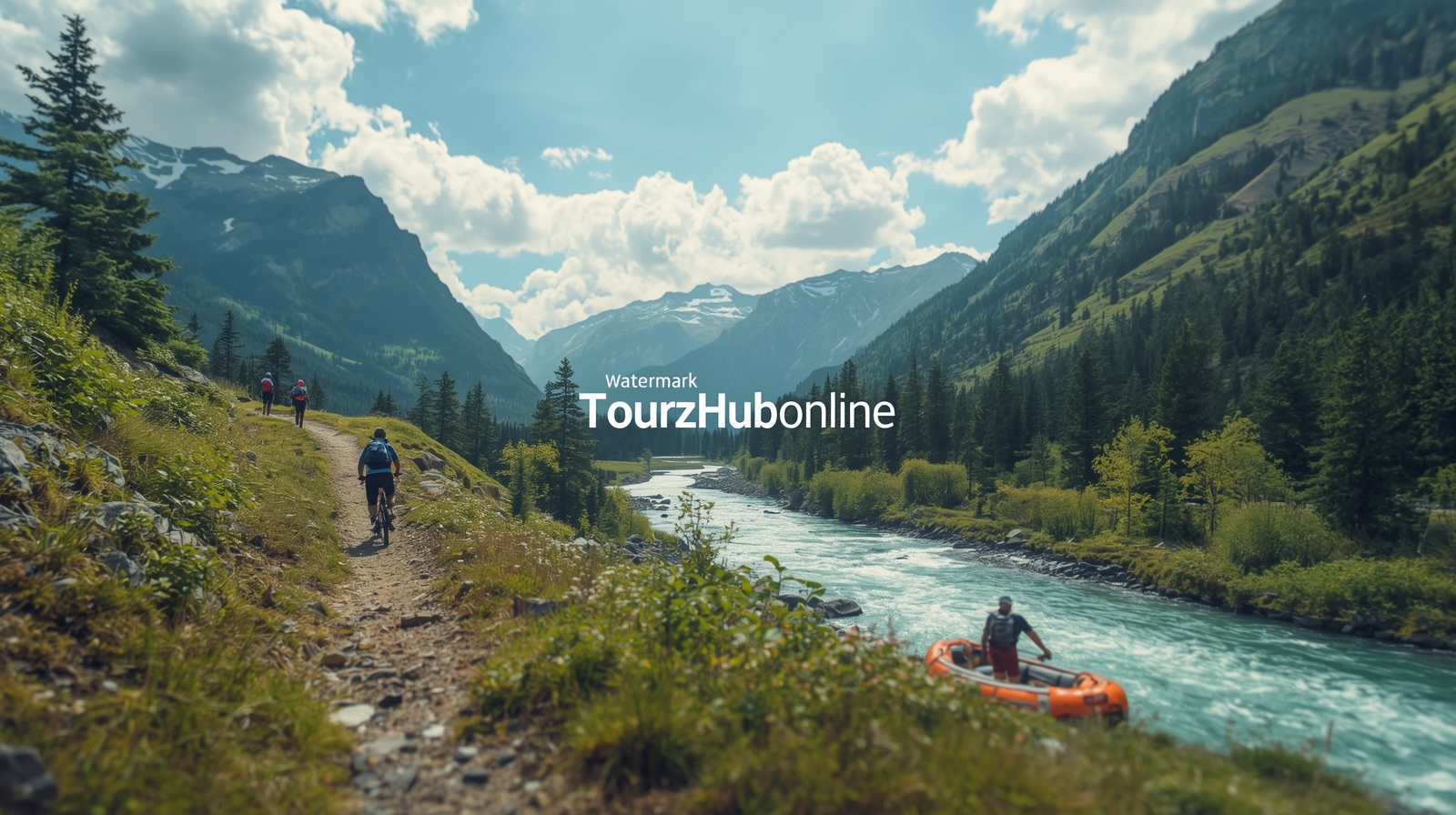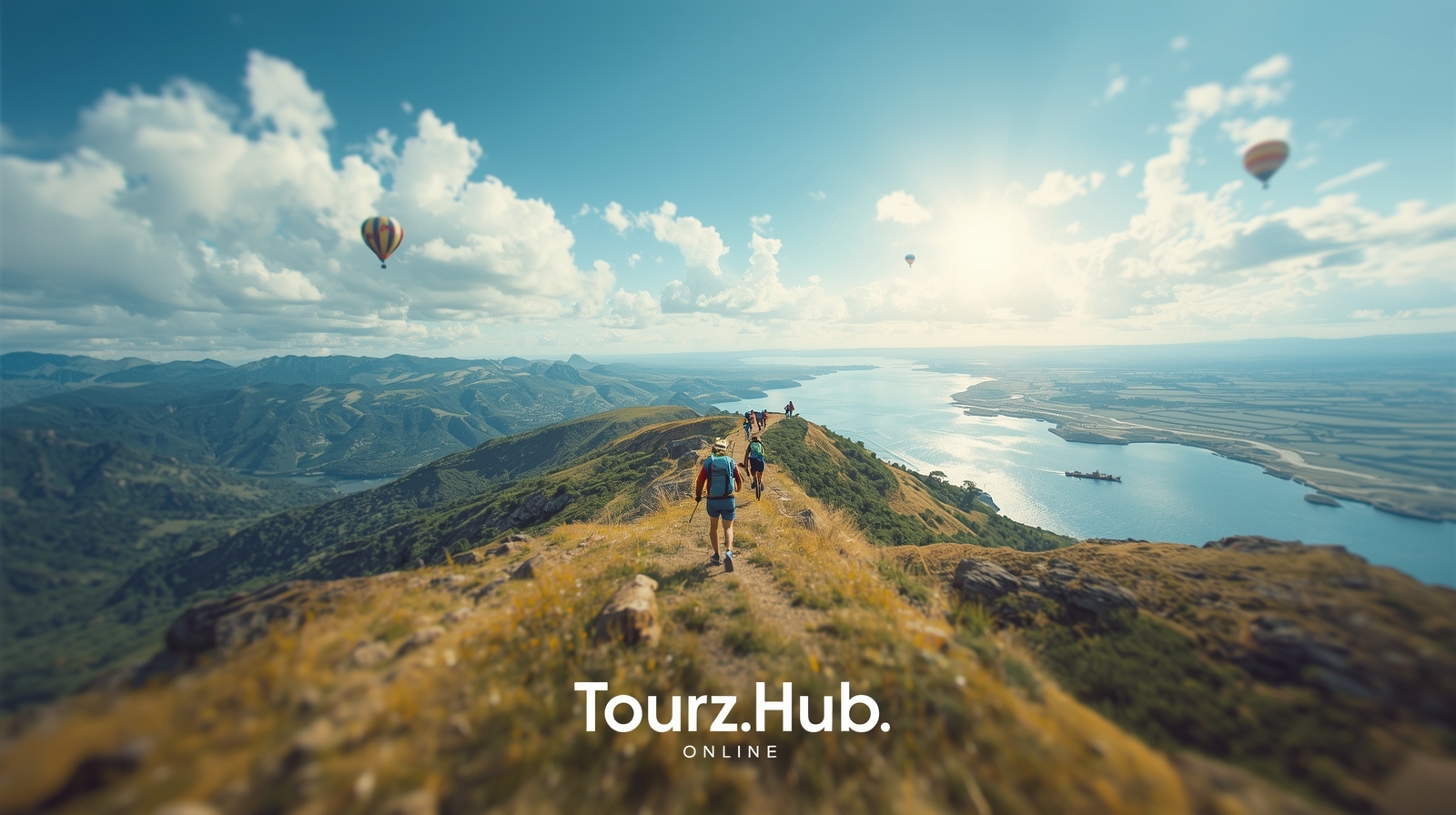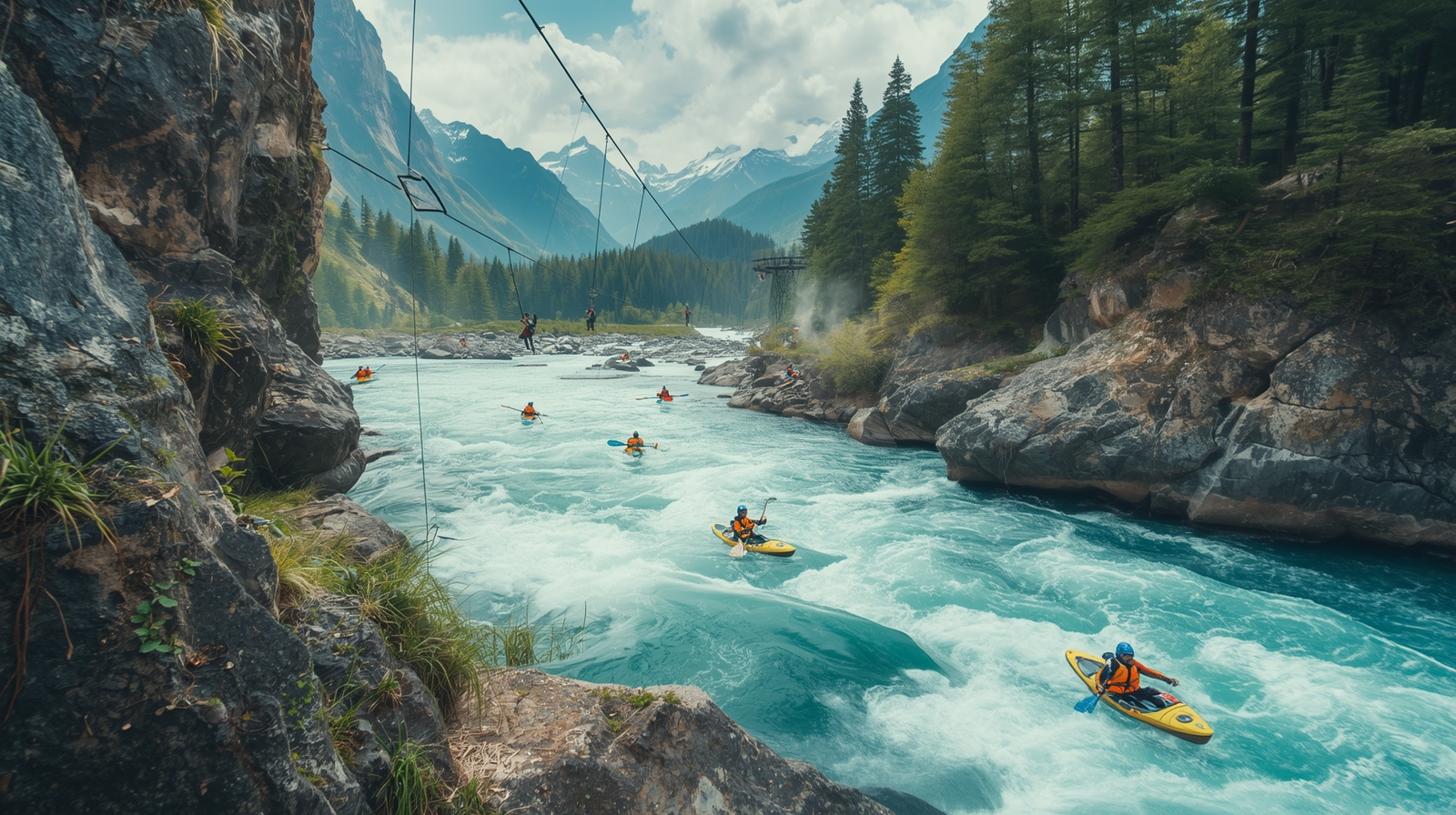
Adventure tours include organized experiences that involve physical activity, environmental engagement, and planned routes. Travelers participate actively rather than passively, moving through landscapes or participating in guided activities. Adventure tourism is a growing sector in global travel due to increased demand for structured outdoor experiences.
This article provides detailed information about adventure tours across different types of activities, environments, and regions. It also covers preparation, safety, booking, and responsible practices.
Understanding Adventure Tours
Adventure tours involve structured travel plans designed to engage participants in active experiences. Operators manage logistics, equipment, guides, and safety measures. Tours may be short-term or extend over multiple days and can be arranged for individuals, groups, or private bookings.
Common formats include:
Hiking and trekking
Wildlife observation and safari tours
Water-based activities
Extreme sports and technical challenges
Adventure tours provide structured access to natural and urban environments, often with guidance and safety oversight.
Hiking and Trekking Tours
Types of Hiking Tours
Hiking tours range from short trails to multi-day treks across mountains, forests, deserts, and plains. Routes are usually planned based on terrain, distance, and access to lodging or campsites.
Hiking tour elements include:
Route mapping
Daily distance planning
Elevation management
Guide supervision
Regional Hiking Experiences
Asia: Mountain trails, forest paths, cultural route connections
Europe: Alpine routes, long-distance trails, cross-country trekking networks
Africa: Plateau treks, desert trails, highland exploration
North America: National park trails, forest and river routes
South America: Highlands, forested paths, multi-region treks
Safari and Wildlife Tours
Safari tours involve guided observation of animals in protected reserves or national parks. These tours require route planning and adherence to conservation and safety rules.
Safari tour elements include:
Vehicle or walking route planning
Observation timing and positioning
Guide interpretation and safety management
Popular safari regions:
Africa: Big game reserves, savanna plains
Asia: Jungle reserves, wildlife sanctuaries
North America: National parks, wildlife corridors
Water-Based Adventure Activities
River and Lake Activities
River-based adventure tours include rafting, kayaking, and canoeing. Tours are planned with water flow, safety, and route coordination in mind.
Key aspects:
Water level monitoring
Equipment fitting and inspection
Guide instruction on navigation
Coastal and Ocean Activities
Activities such as surfing, snorkeling, and diving are organized in coastal areas and islands. Operators manage equipment, routes, and environmental compliance.
Important considerations:
Equipment safety
Water conditions
Environmental rules
Extreme Sports Tours
Extreme sports tours focus on controlled risk and technical skills. Activities include climbing, zip-lining, paragliding, and other high-intensity sports.
Extreme sports tour elements:
Equipment provision and inspection
Safety briefings
Route supervision
Emergency protocols
Regions known for extreme sports:
Asia: Mountain climbing, zip-lining, canyoning
Europe: Alpine climbing, paragliding, winter sports
North America: Whitewater rafting, rock climbing, skiing
South America: Mountain climbing, rafting, jungle navigation
Multi-Activity Adventure Tours
Some tours combine hiking, safari observation, water activities, and extreme sports. These tours offer structured schedules that allow participation in multiple adventure activities across a single region.
Components:
Daily activity planning
Transport and equipment management
Guides for each activity
Safety checks and emergency procedures
Planning Adventure Tours
Adventure tour planning involves assessing terrain, participant needs, and environmental conditions. Operators consider:
Route mapping and distance calculation
Equipment procurement and maintenance
Guide and staff allocation
Safety and emergency protocols
Scheduling of activities
Safety in Adventure Tours
Safety is a core aspect of all adventure tours. Operators implement safety protocols, training, and risk assessments.
Common safety measures:
Pre-activity briefings
Equipment inspection
Communication systems
Emergency access plans
Insurance and liability coverage
Participants are required to follow instructions and adhere to safety protocols.
Equipment and Preparation
Equipment varies depending on activity type. Some tours provide all necessary items, while participants may need personal gear.
Preparation steps include:
Fitness and skill readiness
Route familiarization
Documentation verification
Weather and terrain planning
Proper preparation reduces risk and ensures participation.
Booking Adventure Tours Online
Adventure tours are often booked via online platforms that provide itineraries, schedules, and pricing. Travelers should verify:
Operator licensing
Included services and equipment
Group size limits
Cancellation policies
Direct communication with operators is recommended to confirm details.
Responsible Adventure Travel
Adventure tourism should minimize environmental and cultural impact. Operators often follow sustainability practices.
Responsible travel practices include:
Waste management
Respecting local customs and communities
Supporting local economies
Following conservation guidelines
Participants share responsibility for ethical engagement.
Adventure Travel Across Regions
Asia
Activities: Mountain trekking, river navigation, forest exploration, extreme sports.
Considerations: Seasonal planning, local guides, permit requirements.
Europe
Activities: Alpine climbing, cycling tours, skiing, river rafting.
Considerations: Route infrastructure, cross-border planning, safety regulations.
Africa
Activities: Wildlife safaris, desert treks, mountain exploration.
Considerations: Conservation adherence, guide expertise, vehicle logistics.
North America
Activities: National park trails, whitewater rafting, rock climbing, skiing.
Considerations: Park regulations, reservation systems, equipment rental.
South America
Activities: Jungle trekking, mountain climbing, river navigation, extreme sports.
Considerations: Altitude management, cultural integration, local guide support.
Trends in Adventure Tourism
Adventure travel trends are influenced by technology, safety improvements, and participant preferences. Current trends include:
Multi-activity tours combining land, water, and extreme sports
Community and conservation-based travel experiences
Use of digital platforms for booking and route mapping
Standardized safety and training programs